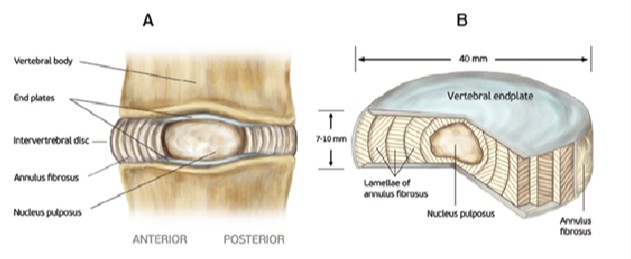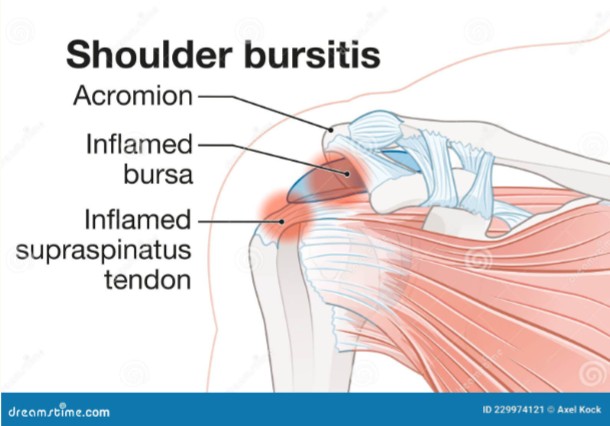

The most important part of Chiropractic and its benefits are the impact that it has on the nervous system. We talk about more energy, better sleep, lowering blood pressure, decreasing headaches, improving hormonal regulation, athletic performance, learning ability and child development, etc. All of these things are possible due to improved function of the nervous system. Decreased pain and increased range of motion are just bonus.
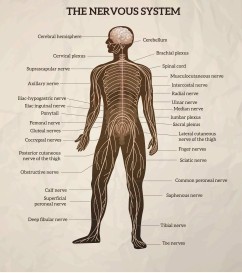
With that being said, what is the nervous system and how does it work?
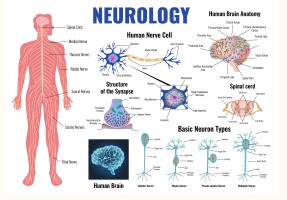
Central Vs. Peripheral
Our nervous system is split into different divisions. One way to divide it is by location.
The central nervous system includes the brain and spinal cord. The peripheral nervous system is made of all the nerves in the rest of the body.
Another way to divide nerves is by discussing function. Some of a nerves various functions include transmitting sensory, motor, autonomic, and higher functions. Regardless of function it is important to remember that all nerves work by transmitting electrical signals.
Sensory Function
Sensory information is essentially all of the things we “feel”. Some of the most recognized senses are:
- Sight
- Hearing
- Taste
- Smell
- Touch including temperature or pressure
Other less discussed senses are balance from your inner ear, and your ability to feel where you are in space which is called proprioception.

This division also includes all of the information headed up to the brain about various organs and bodily functions. Feelings such as hunger, thirst, pain, fatigue, etc.

Motor Function
Motor refers to signals being sent from the brain out into the body. This includes:
- Voluntary muscle contraction
- Glandular activity
- Reflexes
Anytime you want to move part of your body, you must first think about the motion, then complex signals are sent from the brain, down the spinal cord, then out to whatever muscles are necessary to move that body part.
All of this happens in about .1 seconds!
Autonomic Function
Autonomic refers to things that your body does without voluntary control. This includes:
- Blood pressure
- Heart rate
- Breathing
- Digestion
- Temperature
This division is further split into sympathetic and parasympathetic.
Sympathetic is easy to remember as fight or flight. Parasympathetic is more rest and digest. It’s important to remember that this is a general
description but doesn’t tell the whole story.

This information is a good place to start, but we didn’t even cover how higher brain functions work such as memory, complex reasoning, decision making, learning, etc.
Everything that your body does, it does through the nervous system. We want to keep it functioning as close to 100% as possible because that is the true definition of health. Health is not simply the absence of disease, it is the optimal function of all the various systems in your body!