If you work or study in an environment that requires large chunks of time on the computer, or doing repetitive motions with your hands, you have almost certainly heard of carpal tunnel before. The full length for this issue is known as carpal tunnel syndrome.
The most common complaints from people that deal with this condition are numbness, tingling, burning or pain in the first three and sometimes half of the fourth fingers (Thumb, pointer, middle finger and index). Grip strength loss is also very common and can impact normal day-to-day activities or work.
Relevant Anatomy
In order to understand what is going on here, let’s start with the relevant anatomy.
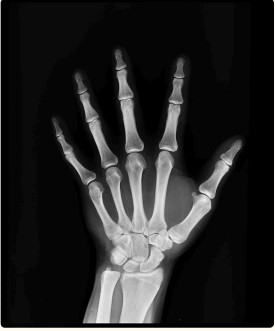
There are six small bones in the wrist that interlock like small dice that all have different shapes. Together, they make all the various movements of your wrist possible.
These small bones are called “carpals”, hence the carpal from carpal tunnel.
On the inside of your wrist (palm side), these bones come together in such a way to make a tunnel into the palm and hand. Inside of this tunnel are tendons for the muscles of your fingers, arteries and veins to provide blood flow, and a very important nerve called the median nerve.
What causes symptoms?
There are several things that can go wrong in order to cause the symptoms listed earlier. The short answer is that pressure or inflammation on the nerve in the neck, shoulder, elbow, or wrist can vcause these symptoms.
Commonly we find subluxations in the neck, some rounding in the shoulders putting the nerves under tension, and a lack of space in the tunnel made by the carpal bones all contributing to this problem.
Surgical vs. Conservative Care
Generally, the traditional medical approach is to try wearing a brace, a corticosteroid injection to reduce swelling or inflammation, perhaps some physical therapy, followed by surgery if all of these interventions are unsuccessful.
Our protocol for carpal tunnel instead includes adjustments and decompression therapy to the neck to relieve nervous system tension upstream, working on the wrist directly to ensure maximum space for the nerve, nerve flossing and exercisesat home, and posture or lifestyle factors that may be contributing.
Our goal is to always avoid surgery or injections if we can. Multiple injections can actually cause connective tissue damage over time. The surgery for carpal tunnel involves slicing the thick fascia, or connective tissue, that goes around the wrist, trying to artificially increase the amount of space in the carpal tunnel itself.
While these interventions may work (at least in the short term), many patients have symptoms return and now you’ve already done the surgical procedure so your options are severely limited.
Drs. Courtney and Ruston have had many patients over the years that they have been able to resolve the true cause of their carpal tunnel syndrome, rather than trying to just cover up symptoms or surgically alter tissue. Some of them even had surgery scheduled but were able to cancel it after a few weeks of treatment!
If you or someone you know is dealing with carpal tunnel syndrome, let them know we can help! You can heal and live with full function of your hand without pain or numbness and you don’t need drugs, injections, or surgery to do it.
Ruston Tippetts, D.C., has been preparing to serve this community through chiropractic care his entire life. From an early age he became fascinated with how the human body works and knew he wanted to help people experience all that life has to offer while maintaining optimal health. His experience with chiropractic care started at a young age by regularly going to a chiropractor. His love of fitness and the outdoors benefited greatly from getting regular care. Some of his greatest passions are helping other people live more fully, and pursuing the things they care about.
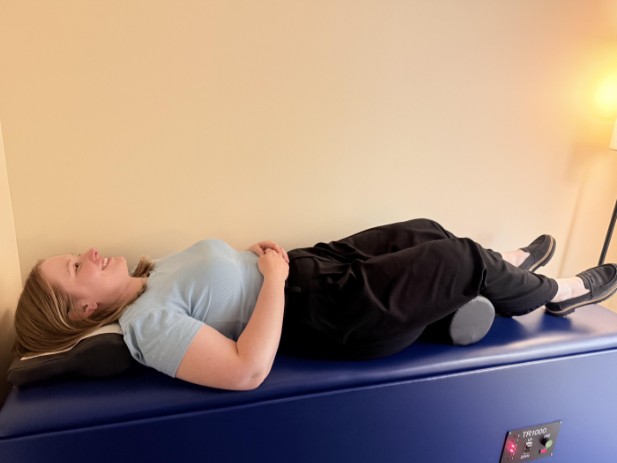
As many of you know, this past week we installed our second non-surgical spinal decompression table! Combining chiropractic care with the roller tables and decompression
In previous newsletters we’ve discussed a few specific conditions that can affect the upper extremity. This includes everything from the shoulder to fingertips. Today I
Dr. Courtney has truly been the best chiropractor I’ve ever seen. The entire team and staff are amazing. I’ve struggled with a lot of low back issues, and after just 2–3 weeks of coming here, I genuinely feel better every day. On top of that, they’ve built such a great community—they truly care about their patients, not just during appointments, but about our everyday lives as well. I can’t recommend them enough!
Great experience. Very thorough, and compassionate providers! Only reason we stopped going to them is because we are moving out of state. Highly recommend!
All staff are kind and courteous. Ruston is skilled and compassionate. He went above and beyond with me in discussing, implementing and making great suggestions for my progress after the adjustments.
I went to see Dr. Ruston yesterday after having traveled a LOT in the month of June. I could barely turn my head as I was so stiff and out of whack. He worked on me for longer than normal, and today I feel good as new. A visit with Topsail Chiropractic improves your movement and health a great degree. I appreciate Ruston and Courtney so much and highly recommend them!
I recently moved to the area and needed to find a new chiropractor to continue my commitment to my health. I came across an ad about Topsail Chiropractic and figured I would try it out. I am so glad I did! The doctors and staff are wonderful. They have individualized my care plan and I already feel so much better. I felt so at ease during the exam and just felt so cared for. I am looking forward to a long lasting relationship with their office. I have found my new chiropractors!
Fantastic experience. Dr. Courtney is knowledgeable, kind and thorough. She really cares about her patients. The office itself is meticulously clean and organized. The vibe is peaceful and relaxing. My adjustment was successful in improving my alignment but not at all painful or invasive. Looking forward to improving my health with their help.
Dr. Ruston & Topsail Chiropractic are wonderful! I met them in the fall when they were volunteering their time at a community fitness event. I had started to experience lower right back pain that had occurred after marathon training. Dr. Ruston was able to get me in the next week & I had immediate relief! He recommended a plan of action over the next few months & things have drastically improved. Hampstead is very fortunate to have such wonderful care from these two chiropractors who continue to give back to the area!
These are the first doctors I have found that spend the time to understand issues. Understanding the importance of exercises that assist muscle development to promote better biomechanics has been life changing for me.<br><br>I’ve been in chiropractic care for over 45 years. Imagine finding out you have scoliosis when you’re in your mid 60s I always wondered why I always fell off my horse to the right. Now that I understand my curves , am adjusted regularly and exercise appropriately, I’m much more effective on my horse and my every day activities I’m always guided to find better solutions I am so happy I met this team. Everyone is lovely and supportive. Everyone also seems to have a great sense of humor. I would highly recommend anyone to join this team and get the best care possible<br><br>I am adding to this review Dr. Ruston has managed things normally I would’ve gone to primary care for or not done anything about most recently my sprained ankle and such an efficient way to deal with healthcare issues
I cannot say enough good things about Topsail Chiropractic. My husband and I have been going for over six weeks. We both are feeling much better. We both see Dr Ruston. Best chiropractor I’ve ever had in 45 years. He listens & addresses all concerns. The office is impeccably clean always, and the entire staff is very friendly, efficient and seem to love their jobs. The location works great for us. They’re in the Lowes parking lot across from the high school. Parking is never an issue. Give them a shot. You’ll feel better!!
I’ve been going to Topsail Chiropractor for over a year. I look forward to going every week and Dr. Courtney has been wonderful to work with. If you have any kind of back or neck pain I would definitely go see her for help! I haven’t experienced pain since I started going and it’s truly made a difference in my day to day life.
My initial visit to Topsail Chiropractic was full of positivity from the staff to both Dr Courtney and Dr Ruston. The office and rooms were welcoming and clean!! My first adjustment left me with a feeling of relief and hope that they would guide me to a better quality of life 🙂
Dr. Courtney is professional and her level of care continues to exceed all of my expectations. I am so grateful for the care Dr. Courtney has given me for the relief of pain and headaches with my neck. The staff at Topsail Chiropractic are kind, thoughtful and caring. Thank you to the entire team at Topsail Chiro for the outstanding patient services and support!
After struggling with multiple autoimmune disorders and chronic health issues over the years, I felt stuck with few options for continued management. Seeing Dr. Courtney changed that. She took the time to identify the underlying issues and explain everything clearly specifically how the spinal system functions and what it regulates.<br><br>While chiropractic care isn’t a cure, it has been an effective, ongoing way to manage my chronic conditions and an important part of my care.<br><br>The entire staff is fantastic—friendly, supportive, and very accommodating with scheduling. I’ve even referred my husband and adult children, and they’ve had great experiences as well.
I moved here from NY and was seeing a chiropractor NY. I was very worried about trying a new DR in NC. Topsail Chiropractor was the 1st and last place I tried. They were so welcoming from the moment I walked in. Dr. Ruston is amazing. He took his time and listened to what was really bothering me. I suffer from migraines due to the disc's in my neck. As soon as he adjusts me the migraine just fades away. It truly is amazing. The staff is also so nice. Definitely give Topsail Chiropractic a try. You will not regret it!
First time ever and it was wonderful all around! Everyone was so nice and welcoming, I felt like I had been going there for years, the family atmosphere felt like I was apart of it. Dr. Rustin did a fantastic job explaining everything and adjusting me.
3 out of 4 members of our household are now patients with Topsail Chiro. Both Dr Ruston and Dr Courtney and wonderful and partner with our family to improve all our health. Through adjustments and suggested changes at home, we all feel and sleep better. Additional staff are always friendly and welcoming. Recommend to all!
Dr. Ruston ensures he keeps me healthy between all the time I spend on the road and in the air. I ensure I never miss my adjustments to stay healthy and in alignment! The office is amazing at helping to schedule around our busy calendars and love the weekly insights and education we get. Highly recommend!
Me and Crackie DAWG’s favorite place to get “cracked!” 🦴😂<br>I come in for my back… and she comes in for the post-adjustment zoomies and front-desk attention.<br><br>Honestly, we both leave feeling brand new — I walk out taller, she trots out sassier.<br>If you ever hear paws skidding across the floor and someone laughing uncontrollably… it’s probably us after an adjustment. 🐾💥<br><br>10/10 recommend — for humans with questionable spines and dogs with dramatic personalities. 😆
Best experience ever. The front staff is wonderdul and accommodating and I always walk out feeling ten times better than when I went in. Dr. Courtney is amazing! 10/10 recommend!
Topsail Chiropractic has helped my entire family. If you are looking for folks who a truly care about feeling this is the place to go...the best chiropractic office in the area, in my opinion
This practice is extremely efficient and professional! I truly feel a positive change in my body since starting adjustments with Dr. Ruston. He’s intuitive and well versed in his craft. You’ll feel very comfortable here.
I am not one to leave reviews but I had to for this chiropractic business! They offered a free alignment today 3/26 I was greeted right as I walked in and was asked if I needed any help 10/10 customer service! I was absolutely left speechless how amazing and smoothly everything went and will definitely be considering getting a membership because of how at home they made me feel! If your in the Hampstead area or cruising by I would def recommend you stopping in and talking to the staff about any questions or concerns!
I have been going to Topsail Chiropractic in Hampstead NC for about 13 weeks and I feel so much better. When I went there, I was treated with x-rays, consultation and adjustments. I had some health questions that Dr. Ruston was clear, informative and compassionate in answering. I can honestly say, never in my life have I been to a dr. that actually cared and took the time as he did. I am feeling so much more flexibility and stamina than I ever have. I would highly recommend him to anyone seeking relief and honest advice.
Topsail Chiropractic helped give me my life back. I walked in hunched over and suffering from a back injury that had flared up. Having had surgical intervention previously I was terrified of thought of going under the knife again. I was put at ease, after a thorough examination, that they'd be able to help. A solid program and consistent support has helped me play with my children again. I cannot say enough good things about the amazing team at Topsail Chiropractic!!!
My experience has been amazing ! Between my back & my neck, I have been in care for close to 50 years- I came to this experience expecting just stability, but between Dr Courtney & the decompression therapy, I have progressed quite a bit - way beyond what I thought possible !<br>Wonderful young practitioners & staff- every visit is a blessing & a pleasure - I am so grateful.<br>Do yourself a favor & give them a try - maybe, like me, you can find relief that you hardly thought possible. I am wishing that for you.
I had an excellent experience at this chiropractic office and highly recommend them to anyone looking for professional, knowledgeable, and genuinely caring care. From the moment I walked in, the staff was welcoming, organized, and attentive. The office itself is very clean, comfortable, and well-run, which immediately made me feel at ease.<br><br>The chiropractor took the time to listen carefully to my concerns and thoroughly explain the treatment plan. They were extremely knowledgeable and made sure I understood each step of the process. The adjustments were precise and effective, and I noticed a significant improvement in my mobility and overall comfort after just a few visits.<br><br>What really stands out about this office is their professionalism and dedication to patient care. They never made me feel rushed and always checked in to see how I was progressing. It’s clear that they truly care about helping their patients feel better and stay healthy.<br><br>If you’re looking for a skilled chiropractor with a friendly, professional team, this office is an excellent choice. I’m very grateful for the care I received and will definitely continue coming here.
Dr. Ruston and Dr. Courtney are fantastic Looking to help you Function and live better And not just feel better till you see them again<br>very honest and clear on the goal 10 out of 10 recommend
A pleasant experience at this location makes me feel right at home. The care that’s given to me the simplest conversation and concerns about my health from the doctors to the nurses awesome 👏
We LOVE going to Topsail Chiropractic! We started going as a preventative measure, but we were both athletes so our bodies needed a little more care than we thought. We noticed a difference almost immediately and really appreciate the holistic and very gentle approach Dr. Courtney and Dr. Ruston take. The staff is so wonderful, the space is always clean and calming, and it’s improved our health on a deep level. I highly recommend them whether you’re in pain, post-accident, or just looking to protect your aging body and support your nervous system!
Top notch performance from a local Hampstead Chiropractor. Easy going always willing to go the extra mile. Great about schedules . Very happy to be a patient would highly recommend!
I highly recommend Topsail Chiropractic. Everyone there is super friendly. They have up to date technology and offer more than your routine adjustments.
Topsoil Chiropractic does an outstanding job. I’m able to walk in without an appointment and get an adjustment and I always feel better when I leave. I highly recommend them.
This office is truly the best. I’ve been going for over a year, and I can honestly say Dr. Rustin and Dr. Courtney are the most caring providers I’ve ever experienced.<br><br>They go above and beyond in every way. Yes, the chiropractic care is amazing—but what makes them special is how much they genuinely care about YOU as a person. They remember what’s going on in your life, they listen, and they treat you like family.<br><br>The front desk team is just as wonderful—so friendly, welcoming, and kind every single time. I look forward to my appointments every two weeks!<br><br>I recommend them to absolutely everyone. My husband and my mom both go now too. If you’re looking for thoughtful, thorough, compassionate care, this is the place!
Dr. Courtney and staff were definitely top notch! I was referred to them by a coworker and they did not disappoint. My husband and I were very pleased with how thorough, knowledgeable and friendly everyone was. I highly recommend if you are in the market for a Chiropractor!! 5 stars PLUS!!!